

Teléfono : +86 18655186322 Correo electrónico : sunsky@ypi-trading.com
Teléfono : +86 18655186322 Correo electrónico : sunsky@ypi-trading.com

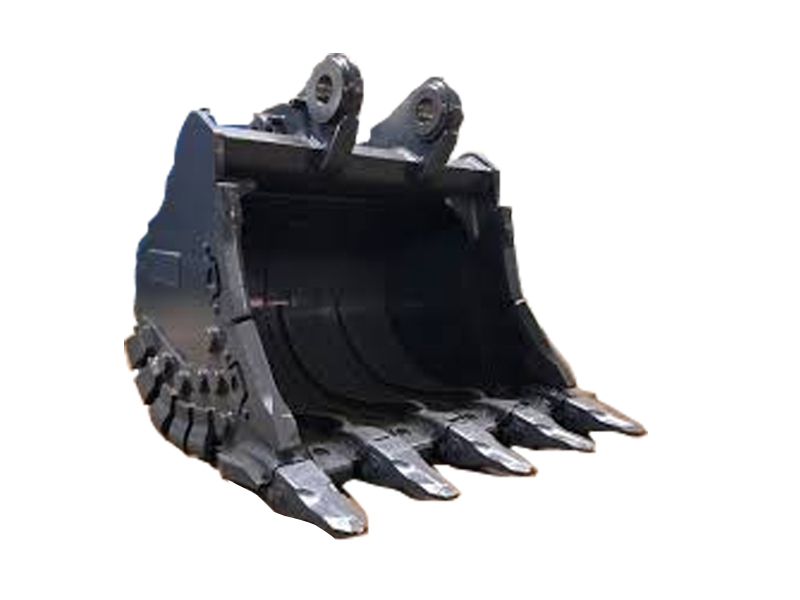
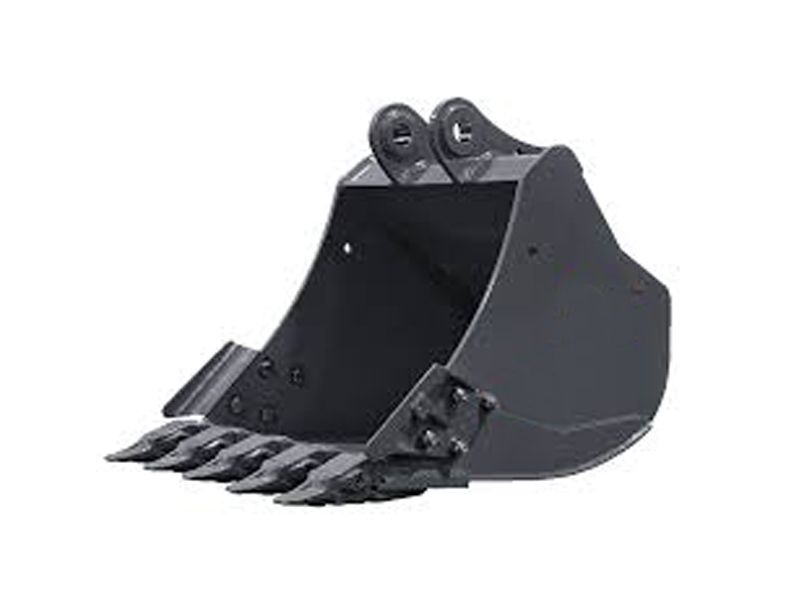
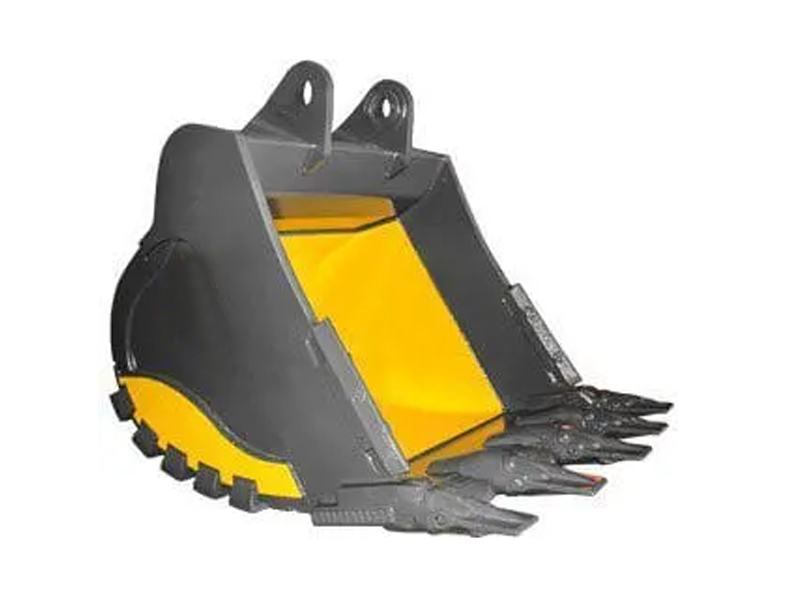
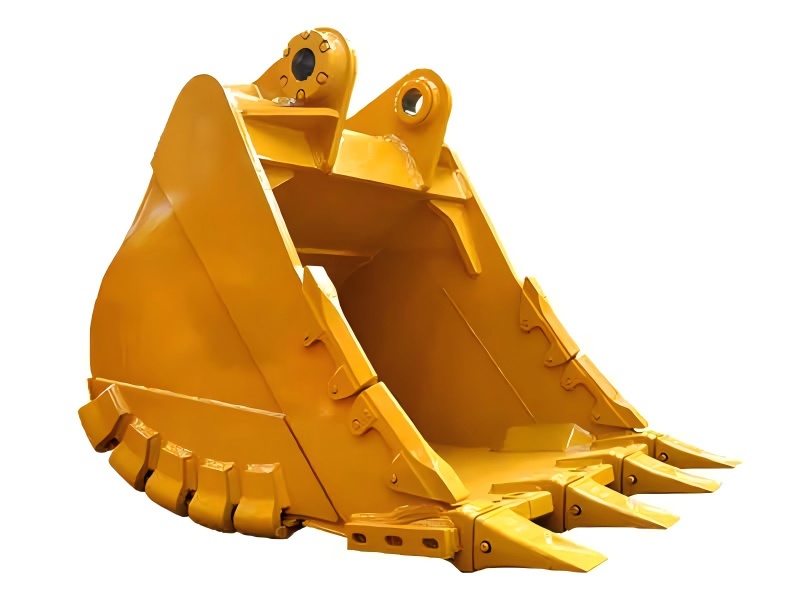
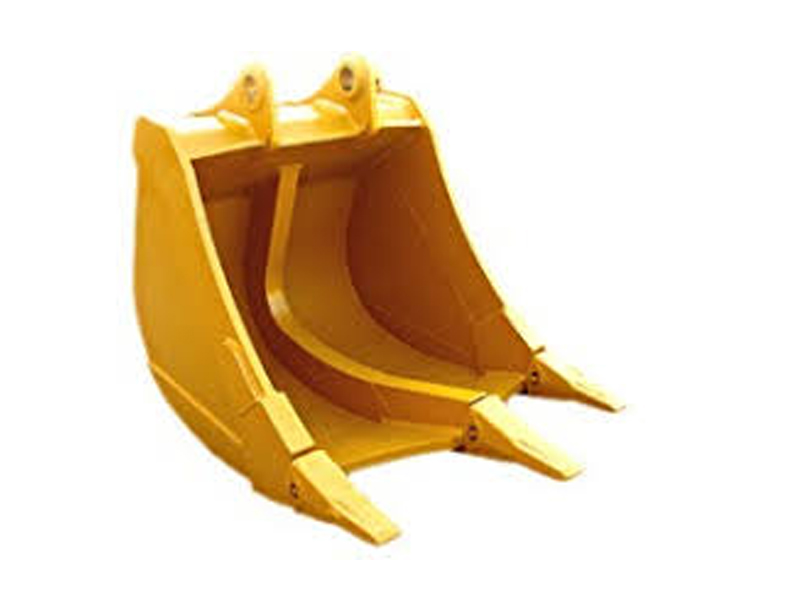
El cucharón de alta resistencia es un accesorio especializado diseñado para aplicaciones de esfuerzo medio a alto, donde los cucharones estándar se desgastarían rápidamente o fallarían prematuramente. Está fabricado con materiales superiores y mejoras estructurales para soportar condiciones de trabajo más exigentes que los cucharones de uso general.
Descripción del Producto
La cuchara excavadora de alta resistencia (HD) está diseñada específicamente para cubrir la brecha entre las cucharas estándar de uso general y las cucharas especializadas para roca. Es la opción óptima para aplicaciones que implican estrés constante, de moderado a alto, alto impacto y abrasión significativa, donde una cuchara estándar sufriría un desgaste rápido o una falla estructural.
Características y beneficios clave
Ámbito de aplicación
Los cubos de alta resistencia son la opción ideal cuando el entorno de trabajo implica una abrasión e impacto significativos:
¿Por qué elegir nuestra cuchara excavadora?
Elegir una cuchara de alta resistencia es una inversión en el tiempo de actividad y la productividad de su máquina:
Adaptación de marca
Contamos con amplia experiencia y tecnología de vanguardia en el suministro de cubetas para las principales marcas. Además, ofrecemos servicios OEM y podemos fabricar cubetas personalizadas según sus planos o especificaciones de muestra para satisfacer los requisitos específicos de su proyecto.
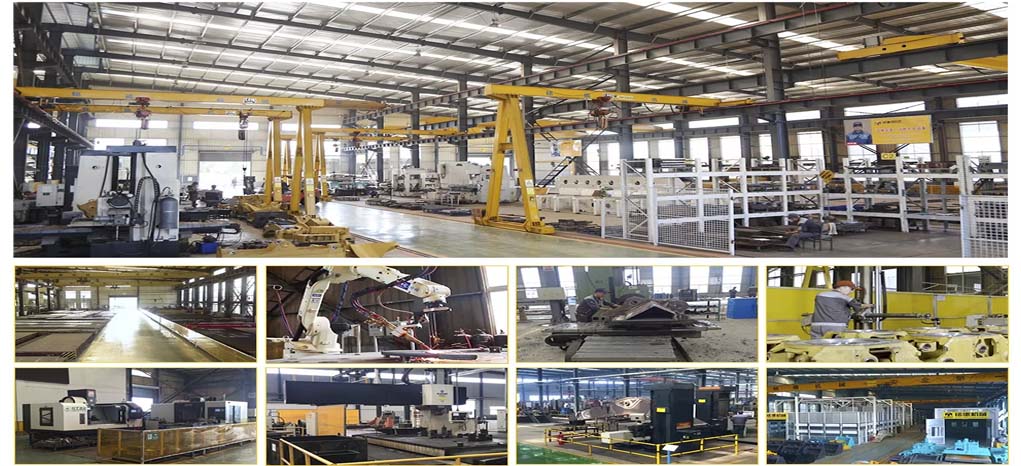
Estrecha cooperación con la fábrica.
Mantenemos una sólida relación de colaboración a largo plazo con la fábrica desde hace aproximadamente 20 años. La fábrica cuenta con una gran capacidad de producción mecánica y automatizada, lo que garantiza la calidad y el rendimiento estables de las piezas forjadas, así como una buena consistencia.
Control de calidad
El riguroso proceso de control de calidad de la fábrica incluye análisis de espectroscopia de materiales, inspecciones en proceso y verificaciones finales con pruebas de partículas magnéticas (MPT) para garantizar que cada cubo esté libre de defectos y cumpla con nuestros altos estándares. Los detalles del proceso de control son los siguientes:
1. Las materias primas entrantes se someten a muestreo aleatorio y análisis mediante microscopio para garantizar que su composición química cumpla con los requisitos de producción.
2. Durante el proceso de producción, el personal de control de calidad realiza muestreos periódicos para garantizar que los productos estén libres de defectos y para solucionar cualquier problema de calidad que pueda surgir.
3. El último paso consiste en utilizar un detector de defectos por partículas magnéticas en las piezas metálicas para detectar grietas o defectos ocultos.
4. Todas las piezas metálicas terminadas se muestrean proporcionalmente y se envían al laboratorio para realizar pruebas de rendimiento mecánico, medición de dimensiones e inspección manual al 100% de la calidad de la superficie.
ETIQUETAS :


Derechos de autor © 2026 Compañía de Comercio Internacional Anhui Yuanpeng Limitada Reservados todos los derechos .
Dejar un mensaje
Scan to Wechat/Whatsapp: