


Teléfono : +86 18655186322 Correo electrónico : sunsky@ypi-trading.com
Teléfono : +86 18655186322 Correo electrónico : sunsky@ypi-trading.com
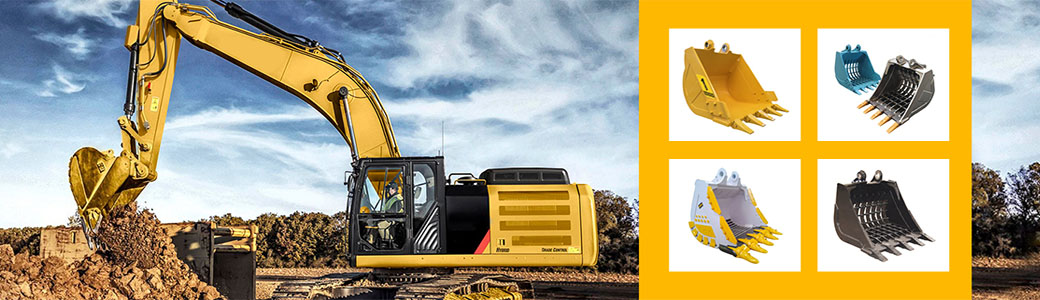
When purchasing an excavator bucket, many contractors and equipment managers are naturally drawn to the lowest price option. At first glance, choosing a cheaper bucket seems like a smart way to reduce upfront costs — especially when managing tight project budgets.
However, in real working environments, a low-cost bucket often leads to higher expenses over time. From frequent replacements to machine strain and downtime, the true cost of a cheap bucket is rarely visible at the time of purchase.
Shorter Service Life
Cheap buckets are typically made from lower-grade materials or thinner steel. While they may look similar to higher-quality options, their durability under demanding conditions is significantly lower.
In actual use,such as digging compacted soil, handling gravel, or working in abrasive environments,these buckets wear out faster.
Common problems include:
This means operators often need to repair or replace the bucket much sooner than expected.Instead of saving money, contractors may end up buying multiple buckets within the same project lifecycle.
Reduced Work Efficiency
A poorly built bucket often lacks proper structural balance and optimized design.
On-site, this leads to:
For example, when working in clay or mixed soil conditions, a cheap bucket may struggle to cut through material efficiently. Operators are forced to apply more force, increasing hydraulic load and slowing down productivity.
Even a small drop in digging efficiency can significantly impact daily output — especially in time-sensitive projects.
Higher Maintenance and Downtime
Cheap buckets are more prone to structural damage.
On real job sites, this often means:
Each repair not only adds direct costs but also leads to downtime.When equipment sits idle waiting for bucket repairs, productivity drops and project deadlines may be affected.In industries where time equals money, downtime can be more expensive than the bucket itself.
Risk to Your Excavator
A bucket is not just an attachment — it directly affects machine performance.
An improperly designed or low-strength bucket can:
Over time, this may contribute to higher machine maintenance costs.Protecting the excavator should always be a priority, and the right bucket plays a key role in that protection.
Lower Overall Project Profitability
In real working scenarios, contractors measure success not by equipment purchase price — but by productivity and cost per cubic meter moved.
A cheap bucket may:
When combined, these factors can raise the total project cost far beyond the initial savings.
Choosing a cheap excavator bucket may seem like a cost-saving decision at the beginning. But in real-world operations, lower durability, reduced efficiency, and higher maintenance often make it a more expensive option over time.
In the long run, investing in a reliable, well-designed bucket is not an expense — it’s a smart operational decision that supports efficiency, reduces downtime, and protects both your project timeline and your equipment.


Derechos de autor © 2026 Compañía de Comercio Internacional Anhui Yuanpeng Limitada Reservados todos los derechos .
Dejar un mensaje
Scan to Wechat/Whatsapp: